
Oman’s strategic position along major global trade routes has long made it a vital maritime link between Asia, Africa, and Europe. In recent years, this advantage has become even more pronounced as the country steps up investment in ports, shipyards, offshore services, and wider maritime infrastructure. At the core of this growth is a rapidly expanding marine sector, strengthened by efficient shipping in Oman, advanced logistics in Oman, and innovative marine solutions in Oman. Together, these factors are helping to build a competitive, future-ready maritime ecosystem that supports economic diversification and strengthens Oman’s role in global trade.
Oman’s Strategic Maritime Advantage
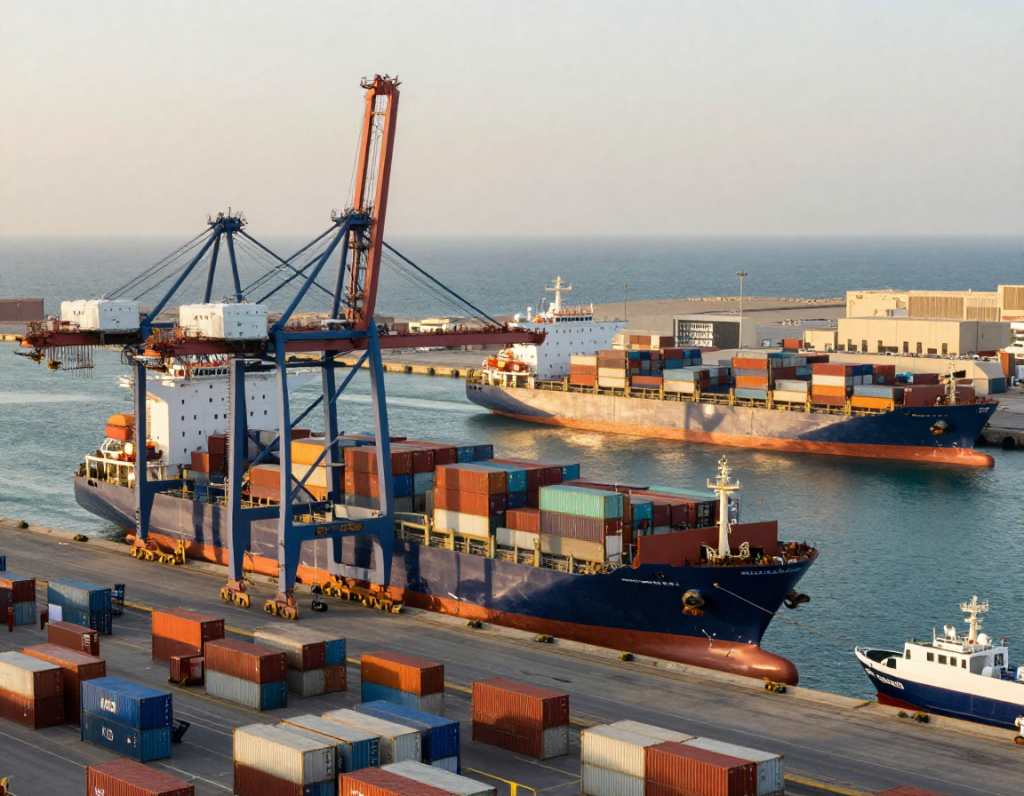
Oman coastline stretches along the Arabian Sea and the Gulf of Oman, with direct access to some of the world’s most important shipping lanes. Unlike many ports in the region, Omani ports connect straight to the open sea, avoiding congested straits and reducing transit time. This natural advantage has made shipping in Oman convenient & attractive to international shipping lines, offshore operators, and marine service providers.
Key ports have evolved beyond traditional transshipment hubs into fully integrated industrial and logistics centers. They support a wide range of activities, including container operations, bulk cargo handling, oil and gas logistics, and marine services. As maritime activity continues to grow, so does the demand for efficient logistics in Oman and specialized marine solutions in Oman, reinforcing the country’s position as a rising regional maritime powerhouse.
Shipping in Oman: Driving Marine Industry Growth
Shipping in Oman plays a central role in enabling marine operations across commercial, industrial, and offshore sectors. From transporting raw materials and equipment to supporting offshore exploration and ship maintenance, shipping forms the backbone of the marine value chain.
Oman’s shipping sector benefits from modern port infrastructure, competitive tariffs, and government-led initiatives to enhance maritime trade. National and international shipping companies rely on Omani ports for vessel calls, bunkering, ship repair, and crew changes. These activities directly support marine solutions providers such as shipyards, marine engineering firms, and offshore service operators.
Moreover, shipping in Oman supports the supply of vessels used in dredging, subsea installation, marine construction, and coastal development projects. As Oman invests in ports, tourism marinas, and offshore energy, the shipping sector ensures the timely and cost-effective movement of marine assets, reinforcing the country’s position as a regional marine hub.
Logistics in Oman: The Backbone of Marine Solutions
Efficient logistics in Oman are essential for the smooth functioning of the marine industry. Marine projects often involve complex supply chains that include heavy equipment, spare parts, fuel, and specialized materials that must be delivered to ports, shipyards, or offshore sites on tight schedules.
Oman’s logistics ecosystem has evolved significantly, offering multimodal transport solutions that integrate sea, road, and air connectivity. Free zones and logistics parks near ports allow marine companies to store, assemble, and distribute equipment efficiently. This seamless integration reduces downtime for vessels and offshore projects, making marine solutions in Oman more competitive on a regional and global scale.
Advanced logistics services such as cold storage, project cargo handling, and customs facilitation further enhance Oman’s appeal. For marine operators, reliable logistics in Oman ensures that vessels remain operational, offshore installations stay on schedule, and maintenance activities are carried out without delays.
Marine Solutions in Oman: A Growing Specialized Sector
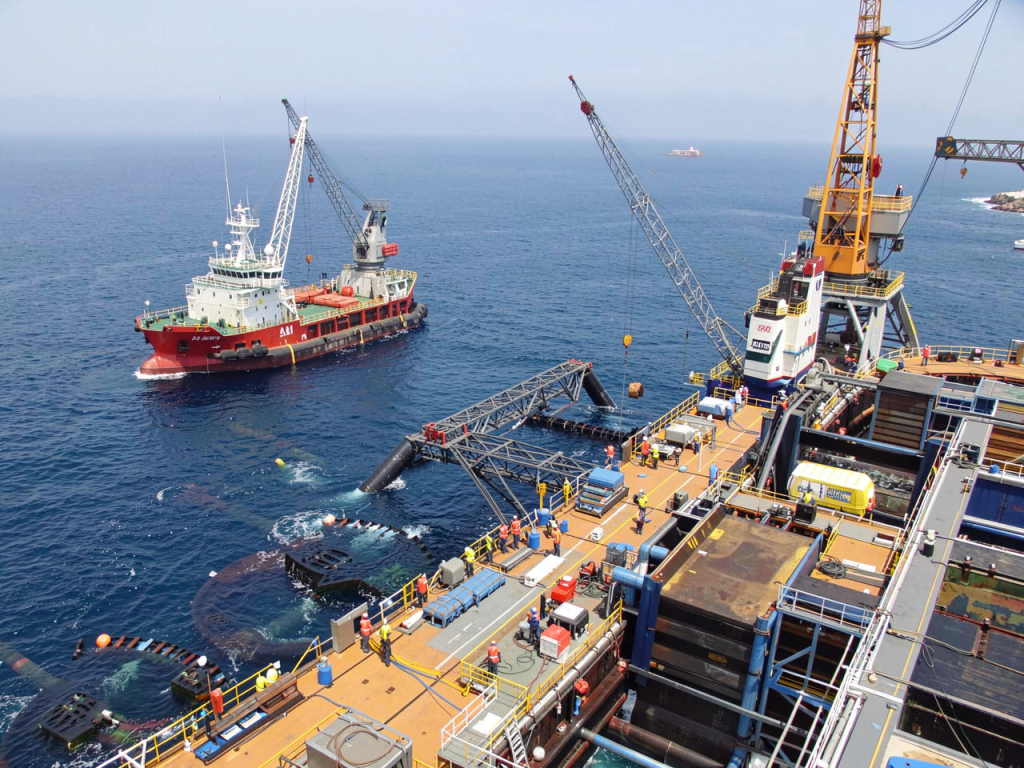
The expansion of shipping and logistics has fueled demand for specialized marine solutions in Oman. These solutions cover a wide range of services, including vessel maintenance, marine engineering, offshore support, port services, and environmental protection.
Ship repair and maintenance facilities in Oman have grown to support commercial vessels, naval fleets, and offshore assets. Dry docks, floating docks, and specialized workshops rely heavily on shipping in Oman for the movement of vessels and components, as well as logistics in Oman for sourcing parts and consumables.
Offshore marine solutions are another rapidly expanding area.
Ports and Free Zones as Marine Enablers
Oman’s ports and free zones play a critical role in connecting shipping in Oman, logistics in Oman, and marine solutions in Oman.
Port integrates industrial manufacturing with logistics and marine services, making it ideal for ship operators and marine engineering firms. A global transshipment hub, strengthens Oman’s shipping connectivity and supports marine service providers through high cargo volumes and vessel traffic.
These integrated ecosystems reduce costs, improve turnaround times, and attract international marine companies seeking a strategic base in the region.
Supporting Oman’s Economic Diversification Vision
The development of shipping, logistics, and marine services aligns closely with Oman’s Vision 2040, which emphasizes economic diversification, private sector growth, and job creation. Shipping in Oman generates direct and indirect employment across ports, shipping agencies, and maritime services. Logistics in Oman supports supply chain professionals, warehouse operators, and transport providers, while marine solutions in Oman create opportunities for engineers, technicians, and offshore specialists.
By strengthening these interconnected sectors, Oman reduces its dependence on hydrocarbons and positions itself as a sustainable maritime and logistics hub. The marine industry also supports tourism, fisheries, and coastal infrastructure development, further broadening its economic impact.
Sustainability and Innovation in the Marine Sector
Sustainability is becoming a key focus across shipping and marine operations. Oman is increasingly adopting greener practices in shipping in Oman, including cleaner fuels, efficient vessel operations, and port electrification initiatives. Logistics in Oman is also evolving with digital tracking, automation, and optimized transport routes to reduce emissions.
Innovative marine solutions in Oman now include environmental monitoring, oil spill response, coastal protection, and eco-friendly port services. These advancements not only protect marine ecosystems but also enhance Oman’s reputation as a responsible maritime nation.
The Road Ahead for Oman’s Marine Industry
As global trade continues to expand and offshore industries evolve, Oman’s marine sector is well-positioned for sustained growth. The synergy between shipping in Oman, logistics in Oman, and marine solutions in Oman will remain critical in meeting future demands.
Continued investment in port infrastructure, digital logistics platforms, and marine technology will further strengthen Oman’s competitive edge. Partnerships with international maritime players and the development of local expertise will ensure that Oman remains a preferred destination for shipping lines and marine service providers.
At Khimji Ramdas Group, we recognize the critical role that shipping in Oman and logistics in Oman play in advancing the nation’s maritime ambitions. As Oman’s marine sector continues to evolve, the demand for reliable, integrated, and future-ready marine solutions in Oman has never been greater. Through decades of experience, strong global partnerships, and deep local insight, we remain committed to supporting the marine ecosystem with end-to-end shipping, logistics, and marine service capabilities.
By aligning our operations with Oman’s Vision 2040, Khimji Ramdas Group continues to contribute to the development of a resilient, sustainable, and competitive maritime industry. As a trusted partner to businesses across the marine value chain, we are proud to play an active role in strengthening Oman’s position as a regional hub for shipping, logistics, and marine solutions—today and for the generations to come.
